Introduction to Yoga and Pilates
In recent years, the fitness landscape has undergone a remarkable transformation. While traditional weightlifting and cardio exercises still have their place, more and more people are turning to holistic practices like yoga and pilates to achieve their wellness goals. These ancient and modern disciplines offer a unique approach to fitness, focusing not just on physical strength, but also on flexibility, core stability, and the often-overlooked mind-body connection.
But why has there been such a surge in interest? The answer lies in the multifaceted benefits these practices offer. Flexibility, once considered a secondary aspect of fitness, is now recognized as crucial for preventing injuries, improving posture, and enhancing overall physical performance. Core strength, the foundation of all movement, has taken center stage in fitness discussions, with experts emphasizing its role in everything from daily activities to high-level athletic performance. And perhaps most intriguingly, the mind-body connection – that elusive synergy between our mental and physical states – has emerged as a key component of holistic well-being.
As we navigate the complexities of modern life, with its sedentary work environments and high-stress situations, incorporating yoga or pilates into our daily routines isn’t just a luxury – it’s becoming a necessity.
These practices offer a counterbalance to the physical and mental strains of contemporary living, providing a path to improved flexibility, enhanced core strength, and a deeper mind-body connection.
In this comprehensive guide, we’ll explore the world of yoga and pilates, diving into their origins, examining their unique benefits, and providing practical advice on how to incorporate these powerful practices into your life. Whether you’re a fitness enthusiast looking to diversify your routine, a desk worker seeking relief from the aches and pains of office life, or simply someone curious about these popular disciplines, this article will provide you with the knowledge and tools to embark on your yoga or Pilates journey.
So, let’s unroll our mats, take a deep breath, and dive into the transformative world of yoga and Pilates.
Understanding Yoga and Pilates
To fully appreciate the benefits of yoga and pilates, it’s essential to understand their origins, philosophies, and core principles. While both practices focus on the mind-body connection, they have distinct histories and approaches to achieving physical and mental wellness.
Yoga: Ancient Wisdom for Modern Times
Yoga, a word derived from the Sanskrit root “yuj” meaning “to join” or “to unite,” is an ancient practice that originated in India over 5,000 years ago. Far more than just a physical exercise, yoga is a comprehensive system of physical, mental, and spiritual practices aimed at harmonizing the body, mind, and spirit.
The physical aspect of yoga, known as “asana,” involves a series of postures designed to purify the body and provide physical strength and stamina. However, this is just one of the eight limbs of yoga as outlined in Patanjali’s Yoga Sutras, a foundational text of yoga philosophy. The other limbs include ethical standards, self-discipline, breath control, sensory transcendence, concentration, meditation, and a state of ecstasy or enlightenment.
In the West, yoga has primarily been adopted for its physical and mental health benefits. Different styles of yoga have evolved, ranging from the physically demanding Ashtanga and Power Yoga to the more gentle and meditative Yin Yoga. Each style offers unique benefits, but all share the common thread of combining physical postures with breath work and mindfulness.
Pilates: A Modern Approach to Body Control
In contrast to yoga’s ancient roots, pilates is a relatively modern practice developed in the early 20th century by Joseph Pilates. Born in Germany in 1883, Pilates suffered from various ailments as a child, which led him to study different exercise methods to improve his health. He combined elements from yoga, martial arts, and other physical disciplines to create his own system, which he initially called “Contrology.”
Pilates developed his method further while interned in England during World War I, using hospital bed springs to create resistance exercises for bedridden patients. This innovative approach laid the groundwork for what would become the pilates reformer, a piece of equipment still widely used in pilates studios today.
The core principle of pilates is the belief in the importance of a strong “powerhouse” – the abdomen, lower back, hips, and buttocks. Pilates exercises focus on developing this core strength while also improving flexibility, posture, and overall body awareness. The practice emphasizes quality of movement over quantity, with a strong focus on proper form and controlled, precise movements.
Key Differences and Similarities
While both yoga and pilates offer numerous health benefits, they differ in their approach and focus:
- Origin and Philosophy: Yoga is rooted in ancient Indian philosophy and spirituality, while pilates is a modern, Western approach to physical fitness.
- Focus: Yoga places a strong emphasis on flexibility, balance, and spiritual well-being, while pilates primarily focuses on core strength, posture, and overall body conditioning.
- Breath Work: Both practices incorporate breath work, but in different ways. Yoga often uses specific breathing techniques (pranayama) as a central part of the practice, while pilates emphasizes coordinating breath with movement.
- Equipment: Traditional yoga requires minimal equipment, typically just a mat. Pilates, while it can be done with just a mat (mat Pilates), often incorporates specialized equipment like the reformer, Cadillac, and chair.
- Variety: Yoga offers a wide variety of styles to suit different preferences and needs, from vigorous Vinyasa to restorative Yin. Pilates, while it can be modified for different fitness levels, generally follows a more consistent format.
Despite these differences, yoga and pilates share several key similarities:
- Mind-Body Connection: Both practices emphasize the connection between physical movement and mental focus.
- Core Strength: While pilates makes this a primary focus, many yoga poses also engage and strengthen the core muscles.
- Flexibility: Both practices can significantly improve overall flexibility, though yoga typically places more emphasis on this aspect.
- Stress Reduction: Regular practice of either discipline can lead to reduced stress levels and improved mental well-being.
- Low-Impact Exercise: Both yoga and pilates are generally low-impact forms of exercise, making them suitable for people of various ages and fitness levels.
Understanding these similarities and differences can help you decide which practice might be best suited to your needs and goals. In the following sections, we’ll delve deeper into how each practice can specifically improve flexibility, core strength, and mind-body connection.
Improving Flexibility with Yoga
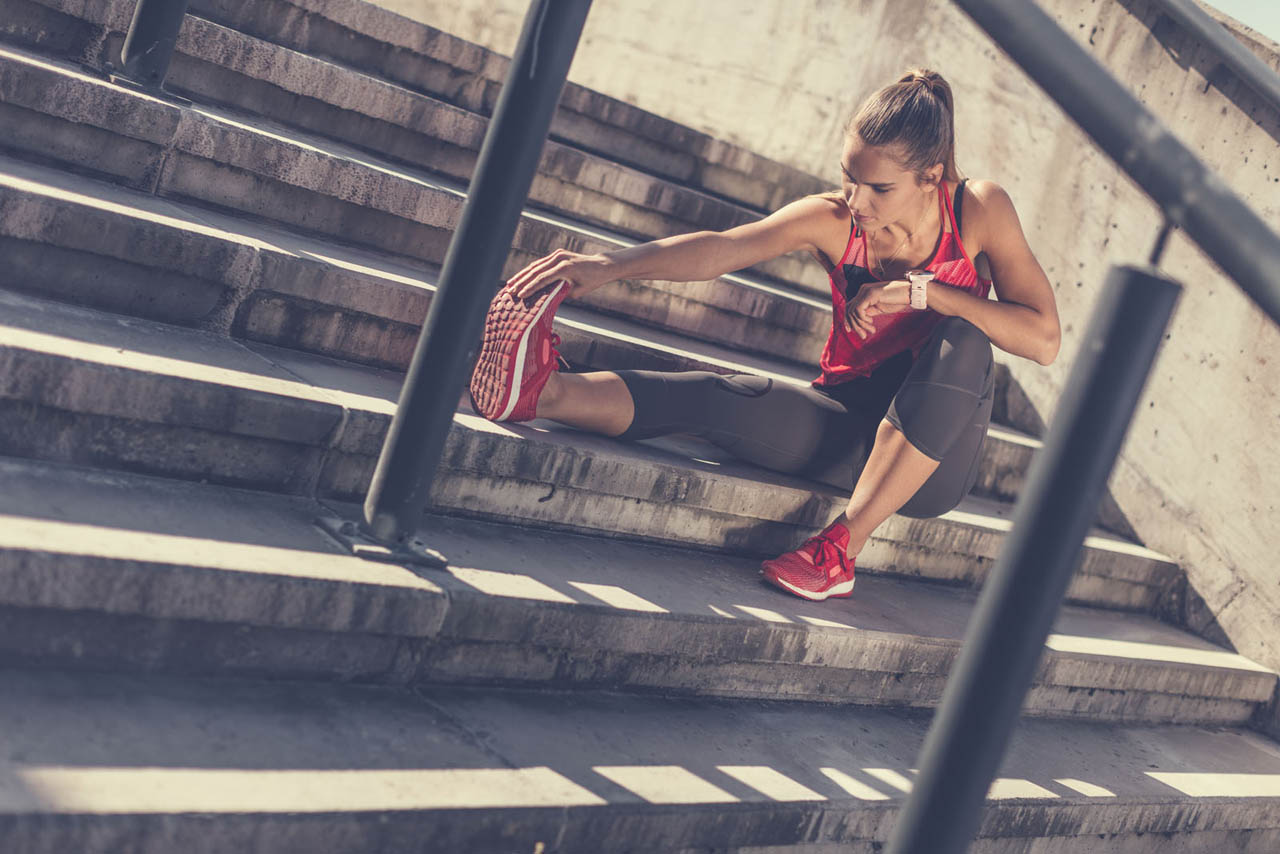
When it comes to enhancing flexibility, few practices can match the effectiveness of yoga. But what exactly is flexibility, and why is it so important? Flexibility refers to the ability of our muscles and connective tissues to lengthen and stretch, allowing for a greater range of motion in our joints. It’s not just about being able to touch your toes or perform impressive contortions; flexibility plays a crucial role in our overall health and well-being.
How Yoga Enhances Flexibility
Yoga enhances flexibility through a combination of static and dynamic stretching, coupled with mindful breathing and body awareness. Here’s how it works:
- Static Stretching: Many yoga poses involve holding a stretch for an extended period, typically 30 seconds to several minutes. This type of stretching, known as static stretching, helps to lengthen muscles and improve overall flexibility over time.
- Dynamic Stretching: Flowing yoga styles like Vinyasa incorporate dynamic stretching, where you move in and out of stretches. This can improve functional flexibility, which is particularly useful for everyday activities and sports.
- Breath Work: The focused breathing in yoga helps to relax the body, allowing for deeper stretches. As you exhale, you can often sink a little deeper into a pose, gradually increasing your flexibility.
- Consistency: Regular yoga practice provides consistent stretching, which is key to improving flexibility. Even short daily sessions can lead to noticeable improvements over time.
- Whole-Body Approach: Yoga stretches the entire body, including areas that might be neglected in other forms of exercise, leading to balanced, full-body flexibility.
Effective Yoga Poses for Flexibility
While all yoga poses can contribute to improved flexibility, some are particularly effective:
- Downward Facing Dog (Adho Mukha Svanasana): This pose stretches the entire back of the body, from the heels through the calves, hamstrings, and spine.
- Forward Fold (Uttanasana): A deep stretch for the hamstrings and lower back.
- Pigeon Pose (Eka Pada Rajakapotasana): Excellent for opening the hips and stretching the glutes.
- Cobra Pose (Bhujangasana): Stretches the front of the body, particularly the chest and abdominals.
- Triangle Pose (Trikonasana): Provides a deep stretch to the sides of the body and inner thighs.
- Seated Forward Bend (Paschimottanasana): Another effective pose for stretching the entire back of the body.
Personal Stories and Testimonials
Many practitioners have experienced significant improvements in flexibility through regular yoga practice. Sarah, a 35-year-old office worker, shares her experience: “When I started yoga, I couldn’t even touch my toes. After six months of regular practice, not only can I touch my toes, but I can also place my palms flat on the floor. The change in my body’s flexibility has been amazing.”
John, a 45-year-old runner, found that yoga helped him prevent injuries: “I used to struggle with tight hamstrings and frequent running injuries. Since incorporating yoga into my routine, I’ve noticed a significant increase in my flexibility. I recover faster from runs and haven’t had an injury in over a year.”
Scientific Evidence
The benefits of yoga for flexibility aren’t just anecdotal. Numerous scientific studies have demonstrated the positive impact of yoga on flexibility:
- A 2016 study published in the International Journal of Yoga found that a regular 8-week yoga practice significantly improved flexibility in adult athletes.
- Research published in the Journal of Physical Therapy Science in 2015 showed that even a short-term yoga program could improve flexibility in college athletes.
- A comprehensive review published in the International Journal of Behavioral Nutrition and Physical Activity in 2019 concluded that yoga interventions improved flexibility in older adults.
These studies underscore the effectiveness of yoga as a tool for improving flexibility across various age groups and fitness levels.
It’s important to note that while yoga can dramatically improve flexibility, progress is gradual and varies from person to person. Consistency is key, and it’s crucial to listen to your body and avoid pushing beyond your limits. With regular practice and patience, you’re likely to see significant improvements in your flexibility, leading to better posture, reduced risk of injury, and an overall sense of ease in your body.
Building Core Strength with Pilates
While yoga offers numerous benefits, including improved flexibility and strength, Pilates takes center stage when it comes to developing core strength. The core, often referred to as the body’s powerhouse, includes not just the abdominal muscles, but also the muscles of the lower back, hips, and glutes. A strong core is fundamental to overall fitness, posture, and daily functionality.
How Pilates Targets Core Muscles
Pilates is uniquely designed to focus on core strength through several key principles:
- Centering: All movements in Pilates originate from the core, or the “powerhouse,” as Joseph Pilates called it.
- Concentration: The mental focus required in Pilates ensures that you’re actively engaging your core throughout each exercise.
- Control: Pilates emphasizes slow, controlled movements that require constant core engagement.
- Precision: The emphasis on proper form and alignment in Pilates ensures that core muscles are targeted effectively.
- Breath: Coordinating breath with movement, as taught in Pilates, helps to activate deep core muscles.
- Flow: The fluid transitions between exercises in Pilates keep the core engaged continuously throughout a session.
Key Pilates Exercises for Core Strength
While almost all Pilates exercises engage the core to some degree, certain moves are particularly effective:
- The Hundred: This classic Pilates exercise involves lying on your back, lifting your head and shoulders off the mat, and pumping your arms while holding your legs in a tabletop position or extended.
- Plank: While not unique to Pilates, the plank is frequently incorporated into Pilates routines for its effectiveness in strengthening the entire core.
- Roll-Up: Similar to a sit-up but performed with much more control, the roll-up targets the deep abdominal muscles.
- Teaser: This challenging move involves balancing on your sit bones with your legs extended and arms reaching towards your toes.
- Criss-Cross: A Pilates twist on the bicycle crunch, this exercise targets the obliques as well as the rectus abdominis.
- Swimming: Performed face down, this exercise strengthens the lower back, an often-neglected part of the core.
Comparison with Other Core-Strengthening Exercises
While traditional exercises like crunches and sit-ups can strengthen the abs, Pilates offers several advantages:
- Full Core Engagement: Pilates exercises typically engage the entire core, including the deep stabilizing muscles, rather than just the surface abdominals.
- Functional Strength: Pilates movements often mimic real-life activities, leading to strength that translates well to daily tasks.
- Low Impact: Unlike high-impact core exercises, Pilates is gentle on the joints while still being highly effective.
- Posture Improvement: The focus on alignment in Pilates leads to improved posture, which itself contributes to a stronger core.
- Mind-Body Connection: The concentration required in Pilates enhances body awareness, leading to more effective core engagement in all activities.
Testimonials and Case Studies
Many individuals have experienced significant improvements in core strength through Pilates:
Lisa, a 40-year-old mother of two, shares: “After my second pregnancy, I struggled with diastasis recti and a weak core. Traditional ab exercises were ineffective and sometimes painful. Pilates not only helped me rebuild my core strength, but it also improved my posture and eliminated my back pain.”
Mark, a 50-year-old golfer, found that Pilates improved his game: “I was skeptical at first, but after three months of regular Pilates practice, I noticed a significant improvement in my golf swing. My core felt stronger, and I had better rotational power and stability.”
Scientific Evidence
The effectiveness of Pilates for core strength is well-supported by scientific research:
- A 2018 study published in the Journal of Exercise Rehabilitation found that Pilates mat exercises were effective in improving core strength and balance in healthy adults.
- Research published in the Journal of Sports Medicine and Physical Fitness in 2016 demonstrated that Pilates training significantly improved core strength and dynamic balance in soccer players.
- A systematic review published in the Journal of Bodywork and Movement Therapies in 2015 concluded that Pilates is an effective method for improving core strength in healthy individuals.
These studies provide strong evidence for the efficacy of Pilates in developing core strength across various populations.
It’s worth noting that while Pilates can lead to visible abdominal definition, its primary focus is on functional strength rather than aesthetic results. The core strength developed through Pilates translates to improved performance in daily activities, better posture, reduced back pain, and enhanced athletic performance.
As with any exercise program, consistency is key in Pilates. Regular practice, ideally 2-3 times per week, can lead to noticeable improvements in core strength within a few months. However, many practitioners report feeling a difference in their core engagement and overall body awareness after just a few sessions.
Enhancing Mind-Body Connection
One of the most profound benefits of both yoga and Pilates is their ability to enhance the mind-body connection. But what exactly is this connection, and why is it so important?
Understanding the Mind-Body Connection
The mind-body connection refers to the link between our thoughts, emotions, beliefs, and physical health. It’s the idea that our mental state can influence our physical well-being, and vice versa. This concept, once considered alternative, is now widely accepted in the medical and scientific communities.
A strong mind-body connection can lead to:
- Reduced stress and anxiety
- Improved emotional regulation
- Better body awareness
- Enhanced physical performance
- Faster recovery from illness or injury
- Overall improved quality of life
How Yoga and Pilates Promote Mindfulness and Mental Clarity
Both yoga and Pilates are forms of mindful movement, meaning they require focused attention on the present moment, particularly on breath and body sensations. This focus cultivates mindfulness, a state of active, open attention to the present.
Yoga’s Approach:
- Breath Awareness: Many yoga practices begin with pranayama (breath control exercises), setting the tone for mindful practice.
- Moving Meditation: Flowing styles like Vinyasa encourage a meditative state through synchronized breath and movement.
- Stillness in Poses: Holding yoga poses for extended periods promotes body awareness
- Guided Relaxation: Many yoga classes end with Savasana (corpse pose), a period of guided relaxation that deepens the mind-body connection.
- Mindful Transitions: The emphasis on smooth transitions between poses encourages continuous awareness.
Pilates’ Approach:
- Concentration: Pilates requires focused attention on each movement, promoting mental clarity.
- Precision: The emphasis on precise, controlled movements enhances body awareness.
- Breath Focus: Coordinating breath with movement, as in the Pilates principle of “lateral breathing,” promotes mindfulness.
- Mind-Muscle Connection: Pilates encourages practitioners to visualize and feel the specific muscles being engaged in each exercise.
- Flow: The fluid nature of Pilates sequences promotes a state of “flow,” where one is fully immersed in the activity.
Techniques Used in Yoga and Pilates to Enhance Mind-Body Connection
Both practices employ specific techniques to foster the mind-body connection:
- Breath Control: Both yoga (through pranayama) and Pilates emphasize specific breathing patterns. Focused breathing not only oxygenates the body but also calms the mind and enhances body awareness.
- Body Scanning: Many yoga and Pilates sessions begin with a mental body scan, where practitioners are guided to focus attention on different parts of the body sequentially.
- Visualization: Both practices often use visualization techniques. For example, imagining energy flowing through the body in yoga, or visualizing the spine lengthening in Pilates.
- Mindful Movement: Both emphasize slow, controlled movements performed with full awareness, as opposed to rushed or mindless repetitions.
- Proprioception Exercises: Many Pilates exercises, particularly those using the reformer, challenge balance and spatial awareness, enhancing proprioception (the sense of the body’s position in space).
- Meditation: While more common in yoga, some Pilates practices also incorporate short meditations to enhance focus and awareness.
Benefits of a Strong Mind-Body Connection for Overall Well-being
The cultivation of a strong mind-body connection through yoga and Pilates can have far-reaching benefits:
- Stress Reduction: By promoting mindfulness and body awareness, both practices can significantly reduce stress levels. A 2018 study published in the International Journal of Preventive Medicine found that regular yoga practice led to decreased cortisol levels (a stress hormone) in women.
- Improved Mental Health: The mindfulness aspect of these practices can help manage symptoms of anxiety and depression. A meta-analysis published in the Journal of Psychiatric Research in 2018 found that yoga can be an effective complementary treatment for major psychiatric disorders.
- Enhanced Body Awareness: Improved proprioception can lead to better posture, reduced risk of injury, and more efficient movement patterns in daily life.
- Pain Management: The mind-body connection fostered by yoga and Pilates can help in managing chronic pain. A 2020 study in the Journal of Pain Research found that Pilates was effective in reducing pain and improving quality of life in individuals with chronic low back pain.
- Better Sleep: The relaxation techniques learned in yoga and Pilates can promote better sleep quality. A 2020 study in BMC Psychiatry found that yoga interventions significantly improved sleep quality in various populations.
- Increased Focus and Concentration: The mental discipline required in both practices can translate to improved focus in other areas of life. A 2019 study in the Journal of Physical Activity and Health found that a single bout of Pilates improved cognitive function in healthy older adults.
- Emotional Regulation: The mindfulness cultivated in these practices can lead to better emotional awareness and regulation. A 2018 study in Frontiers in Psychology found that yoga practice was associated with improved emotional regulation and decreased anxiety.
Personal Testimonials
Sarah, a 38-year-old marketing executive, shares her experience: “Before I started practicing yoga, I was constantly stressed and disconnected from my body. Now, I’m much more aware of my physical and emotional states. I can recognize tension building up and use breathing techniques I’ve learned to calm myself down.”
John, a 45-year-old Pilates enthusiast, says: “Pilates has completely changed how I move and perceive my body. I’m more aware of my posture throughout the day, and I feel a sense of groundedness that I never had before. It’s like I’m finally fully inhabiting my body.”
In conclusion, the mind-body connection cultivated through yoga and Pilates is not just about feeling good during practice—it’s a skill that can profoundly impact all areas of life. By fostering this connection, these practices offer a holistic approach to health and wellness that goes far beyond physical fitness. Whether you choose yoga, Pilates, or a combination of both, you’re likely to experience benefits that extend well beyond the mat or reformer, enhancing your overall quality of life.
Combining Yoga and Pilates
While yoga and Pilates each offer unique benefits, combining these two practices can create a powerhouse fitness routine that addresses flexibility, strength, and mind-body connection comprehensively. This integrated approach, sometimes referred to as “Yogalates” or “Piloga,” is gaining popularity for its balanced and holistic benefits.
Advantages of Integrating Both Practices
- Complementary Focus: Yoga’s emphasis on flexibility and Pilates’ focus on core strength complement each other perfectly, creating a well-rounded fitness routine.
- Enhanced Body Awareness: The mindfulness of yoga combined with the precision of Pilates can lead to heightened body awareness and improved proprioception.
- Balanced Muscle Development: Yoga helps lengthen muscles, while Pilates builds strength, leading to long, lean, and strong muscles.
- Improved Posture: Both practices emphasize proper alignment, which, when combined, can significantly enhance posture.
- Variety in Workout: Alternating between yoga and Pilates can keep your fitness routine interesting and challenging, potentially improving adherence.
- Stress Reduction: The mind-body focus of both practices provides a double dose of stress-relieving benefits.
- Injury Prevention: The flexibility from yoga and the core strength from Pilates can work together to reduce the risk of injury in daily life and other physical activities.
Sample Weekly Workout Plan Combining Yoga and Pilates
Here’s an example of how you might structure a week combining both practices:
Monday: 45-minute Vinyasa Yoga flow Tuesday: 30-minute Mat Pilates session Wednesday: Rest or light stretching Thursday: 45-minute Hatha Yoga class Friday: 45-minute Reformer Pilates session Saturday: 60-minute combination Yoga-Pilates class Sunday: Rest or gentle Yin Yoga for recovery
This schedule provides a balanced mix of both practices while also allowing for adequate rest and recovery.
Tips for Beginners to Start with a Combined Yoga and Pilates Routine
- Start Slowly: If you’re new to both practices, don’t try to do everything at once. Begin with 2-3 sessions per week and gradually increase.
- Learn the Basics: Take beginner classes in both yoga and Pilates to learn proper form and breathing techniques.
- Listen to Your Body: Both practices emphasize body awareness. Pay attention to how your body feels and don’t push beyond your limits.
- Alternate Practices: Try alternating between yoga and Pilates sessions to experience the benefits of both.
- Find Qualified Instructors: Especially when starting out, it’s crucial to learn from experienced, certified instructors who can guide you safely.
- Be Consistent: Regular practice is key to seeing benefits. Aim for at least 2-3 sessions per week.
- Use Props: Don’t hesitate to use props like yoga blocks, straps, or Pilates rings to assist you as you build strength and flexibility.
Resources for Further Learning and Practice
- Online Platforms: Websites like Yoga International, Pilates Anytime, or Glo offer a wide range of classes for all levels.
- Mobile Apps: Apps like Down Dog for yoga or Pilates Workout by Fitness22 provide convenient, on-the-go workouts.
- Local Studios: Many fitness studios now offer both yoga and Pilates classes, sometimes even combination classes.
- Books: “Yogalates” by Louise Solomon or “The Pilates Body” by Brooke Siler are excellent resources for home practice.
- DVDs: For those who prefer guided home workouts, there are numerous yoga and Pilates DVDs available, including combination routines.
- Workshops: Look for workshops in your area that focus on combining yoga and Pilates principles.
- Online Communities: Join online forums or social media groups dedicated to yoga and Pilates to connect with like-minded individuals and share experiences.
Remember, the goal is to create a balanced routine that works for your body and fits into your lifestyle. Don’t be afraid to experiment with different styles of yoga and Pilates to find what resonates with you. With consistency and patience, you’re likely to experience the multifaceted benefits of this powerful combination, enhancing your flexibility, core strength, and mind-body connection.
Practical Tips and Recommendations
Embarking on a yoga or Pilates journey, or combining both practices, can be an exciting but potentially overwhelming experience. This section aims to provide practical advice to help you start and maintain a successful practice.
Getting Started with Yoga or Pilates
- Equipment:
- Yoga: At minimum, you’ll need a yoga mat. As you progress, you might want to invest in props like blocks, straps, and a bolster.
- Pilates: For mat Pilates, you’ll need a mat (ideally thicker than a yoga mat). For equipment-based Pilates, you’ll typically use studio-provided apparatus like reformers or Cadillacs.
- Clothing: Wear comfortable, breathable clothing that allows for a full range of motion. Avoid overly loose clothes that might interfere with seeing your body alignment.
- Classes:
- In-person classes are ideal for beginners as instructors can provide hands-on adjustments and personalized advice.
- Look for “beginner” or “foundations” classes to learn proper technique from the start.
- Many studios offer introductory packages or free first classes – take advantage of these to try different styles and instructors.
- Online Resources:
- Numerous websites and apps offer high-quality yoga and Pilates instruction for all levels.
- Popular platforms include Yoga with Adriene (YouTube), Pilates Anytime, and Glo.
- Online classes can be a convenient and cost-effective way to maintain a regular practice.
- Home Practice:
- Start with short sessions (10-15 minutes) and gradually increase duration as you build strength and stamina.
- Follow along with videos or apps until you feel confident creating your own sequences.
Tips for Maintaining Consistency and Motivation
- Set Realistic Goals: Start with achievable goals, like practicing twice a week, and gradually increase frequency or duration.
- Schedule Your Practice: Treat your yoga or Pilates sessions like important appointments. Schedule them in your calendar.
- Create a Dedicated Space: If practicing at home, designate a specific area for your practice. This can help signal to your brain that it’s time to focus.
- Track Your Progress: Keep a journal of your practice, noting improvements in flexibility, strength, or overall well-being.
- Join a Community: Whether in-person or online, connecting with other practitioners can provide motivation and support.
- Mix It Up: Try different styles of yoga or Pilates to keep your practice fresh and engaging.
- Be Patient and Kind to Yourself: Progress in yoga and Pilates is often subtle. Celebrate small victories and don’t be hard on yourself if you miss a session.
Addressing Common Challenges and Misconceptions
- “I’m not flexible enough for yoga”: Yoga is about improving flexibility, not showing off existing flexibility. Start where you are – that’s the whole point!
- “Pilates is only for women”: This common misconception ignores the fact that Joseph Pilates developed the practice for men and women. Many professional athletes use Pilates for core strength and injury prevention.
- “I don’t have time”: Even short sessions can be beneficial. Start with 10-15 minute practices and gradually increase as you can.
- “I’m too old/overweight/unfit to start”: Both yoga and Pilates can be modified for all body types, ages, and fitness levels. Many people find these practices particularly beneficial as they age.
- “It’s too expensive”: While studio classes can be pricey, there are many free or low-cost options available online or through community centers.
Importance of Listening to Your Body
- Honor Your Limits: Both yoga and Pilates should challenge you, but never cause pain. Learn to distinguish between productive discomfort and potential injury.
- Modify as Needed: Don’t hesitate to use props or modify poses to suit your body. This is a sign of wisdom, not weakness.
- Respect Rest Days: Rest is crucial for progress. Listen to your body when it needs a break.
- Progress at Your Own Pace: Everyone’s journey is different. Focus on your own progress rather than comparing yourself to others.
- Breathe: In both practices, breath is a crucial tool. Use your breath as a gauge – if you can’t breathe comfortably, you might be pushing too hard.
- Seek Guidance: If you have specific health concerns or injuries, consult with a healthcare provider and inform your instructor before starting a new practice.
Remember, yoga and Pilates are practices, not perfections. The journey is just as important as the destination. By approaching your practice with patience, consistency, and self-compassion, you’re likely to experience profound benefits in flexibility, core strength, and mind-body connection. The key is to start where you are, use what you have, and do what you can. Your future self will thank you for taking this step towards improved physical and mental well-being.
Conclusion
As we’ve explored throughout this comprehensive guide, incorporating yoga or Pilates workouts into your fitness routine can lead to remarkable improvements in flexibility, core strength, and mind-body connection. These practices offer a holistic approach to wellness that extends far beyond the physical benefits, touching every aspect of our lives.
Let’s recap the key benefits we’ve discussed:
- Flexibility: Yoga, in particular, is a powerful tool for enhancing flexibility. Through a combination of static and dynamic stretching, coupled with mindful breathing, yoga can help you achieve a level of flexibility you might have thought impossible.
- Core Strength: Pilates shines when it comes to developing core strength. Its focus on the body’s “powerhouse” leads to improved posture, better balance, and enhanced overall physical performance.
- Mind-Body Connection: Both yoga and Pilates foster a strong mind-body connection, promoting mindfulness, reducing stress, and enhancing overall well-being.
- Complementary Practices: When combined, yoga and Pilates create a well-rounded fitness routine that addresses flexibility, strength, and mental focus comprehensively.
These practices are not just exercise routines; they’re lifestyle choices that can transform your relationship with your body and mind. Whether you’re an athlete looking to improve performance, an office worker seeking relief from the strains of sedentary life, or simply someone in search of a more balanced approach to fitness, yoga and Pilates have something to offer.
The beauty of these practices lies in their adaptability. You can start exactly where you are, with the body you have right now. There’s no need for special equipment or extraordinary flexibility or strength. All you need is a willingness to show up on your mat and breathe.
As you embark on or continue your yoga or Pilates journey, remember that consistency is key. Even short, regular sessions can lead to significant improvements over time. Be patient with yourself, celebrate small victories, and don’t be afraid to modify practices to suit your needs.
We encourage you to take the next step. Try a yoga or Pilates class, whether in a studio or online. Experience for yourself the transformative power of these practices. Your body and mind will thank you.
And we’d love to hear about your experience! Share your yoga or Pilates journey with us. What challenges did you face? What unexpected benefits did you discover? Your story could inspire others to begin their own journey towards improved flexibility, core strength, and mind-body connection.
Remember, in yoga and Pilates, as in life, it’s not about being the best. It’s about being the best version of yourself. So unroll your mat, take a deep breath, and step into a stronger, more flexible, more mindful you. The journey of a thousand miles begins with a single step – or in this case, a single breath. Namaste.