Introduction
In our fast-paced, constantly-connected world, it’s all too easy to treat mealtimes as just another item on our never-ending to-do lists. We rush through our food, shoveling bite after bite into our mouths, barely taking the time to taste or appreciate what we’re consuming.
But what if we told you that by simply slowing down and savoring each bite, you could unlock a whole world of benefits for your physical, mental, and emotional well-being? That’s right, my friends – the art of eating slowly is a powerful tool that can transform your relationship with food and enhance your overall quality of life in ways you never imagined.
From aiding in weight loss and improving digestion to reducing stress and adding more pleasure to your daily routine, the benefits of eating slowly are numerous and far-reaching. So, put down that fork (or spoon, or chopsticks – we’re not picky), take a deep breath, and get ready to embark on a journey that will forever change the way you view and experience your meals.
Why Eat Slowly?
-
Weight Loss Benefits
Let’s start with one of the most compelling reasons to embrace a slower pace at mealtimes: weight loss. You see, it takes time for our bodies to register the sensation of fullness – typically around 20 minutes after we start eating. By slowing down and giving our brains a chance to catch up with our stomachs, we’re far less likely to overeat and consume more calories than we truly need.
But here’s the thing – eating slowly isn’t just about mechanically taking smaller bites and putting down your utensils between each one (although those are certainly helpful strategies). It’s about cultivating a mindful, present approach to your meals, paying attention to the flavors, textures, and sensations that accompany each bite.
By engaging all of your senses and truly savoring your food, you’ll not only enhance your enjoyment of the experience, but you’ll also be more in tune with your body’s natural hunger and fullness cues. And when you’re able to recognize those signals, portion control becomes a breeze, and those pesky cravings and overeating episodes become a thing of the past.
-
Enhanced Enjoyment of Food
Speaking of savoring your meals, let’s talk about the sheer pleasure and joy that comes with eating slowly. Think about it: when was the last time you truly appreciated the intricate flavors and textures of your favorite foods? When was the last time you took the time to indulge in the simple act of eating, without distractions or rushing through the experience?
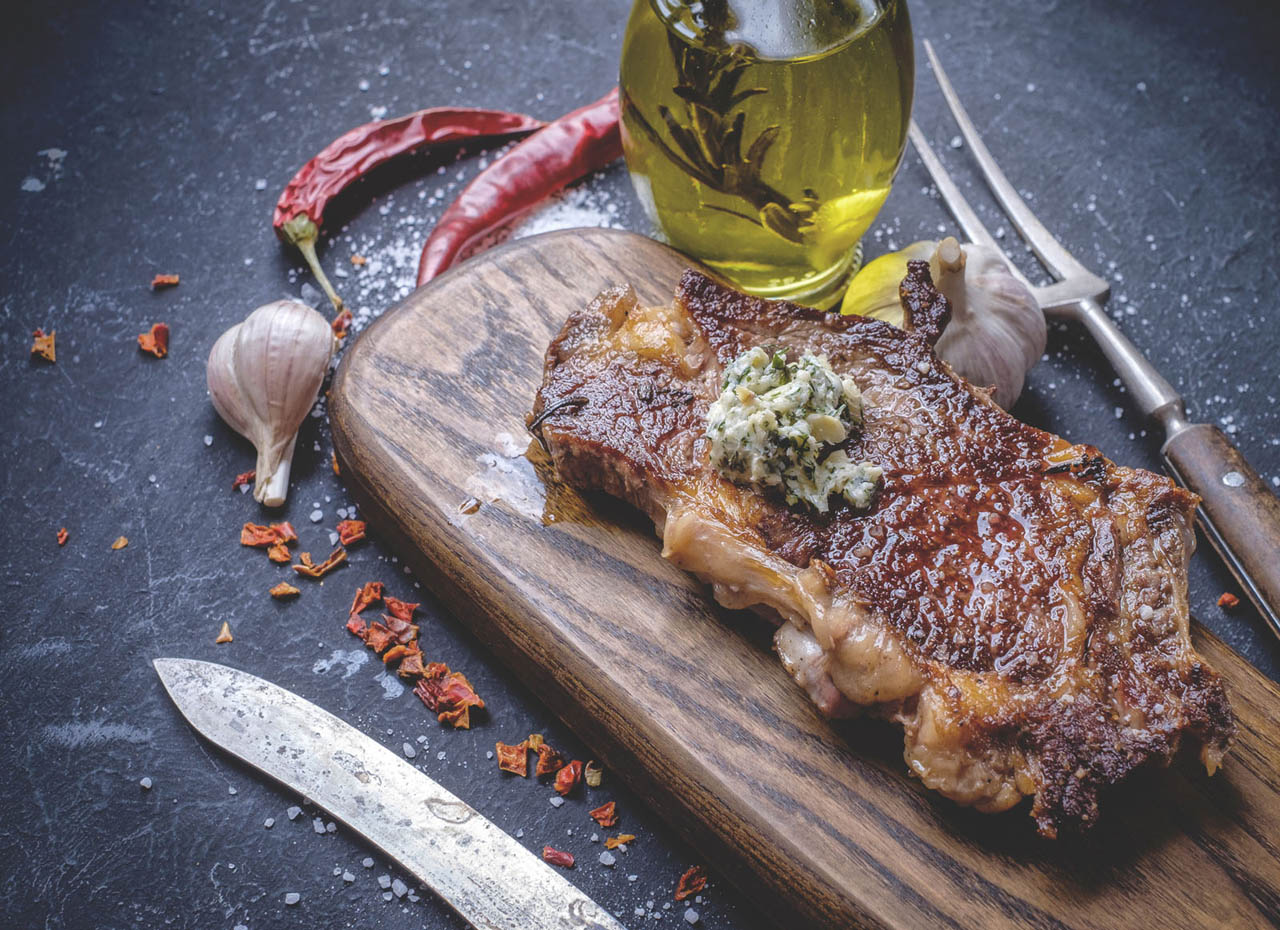
By slowing down and focusing on each bite, you’ll unlock a whole new level of appreciation for the culinary delights that grace your plate. That first sip of a rich, velvety hot chocolate will become a transcendent experience, the flavors dancing across your tongue like a carefully choreographed ballet. That perfectly ripe, juicy peach will burst with sweetness and vitality, transporting you to a sun-drenched orchard with each succulent bite.
And here’s the best part: by truly savoring your food, you’ll be able to indulge in moderation without feeling deprived or guilty. That’s because when you engage all of your senses and allow yourself to fully experience the pleasure of eating, a little can go a long way in terms of satisfaction.
-
Improved Digestion
But the benefits of eating slowly extend far beyond weight management and culinary enjoyment – they also have a profound impact on your digestive health. You see, the simple act of chewing your food thoroughly and allowing it to mix with your saliva is crucial for efficient digestion and nutrient absorption.
When you take the time to break down your food into smaller pieces, you’re making it easier for your digestive system to do its job. This means better absorption of essential vitamins, minerals, and other nutrients, as well as a reduced risk of digestive issues like bloating, indigestion, and constipation.
And the research backs this up: numerous studies have shown that individuals who eat slowly and chew their food thoroughly experience better overall digestion and a reduced risk of gastrointestinal issues compared to those who eat quickly and don’t chew their food properly.
But the benefits don’t stop there – improved digestion can also have a positive impact on your overall health and longevity. By maximizing the absorption of nutrients from the food you eat, you’re giving your body the fuel it needs to function at its best, reducing the risk of deficiencies and supporting optimal physiological processes.
-
Stress Reduction Through Mindful Eating
In addition to the physical benefits, eating slowly can also have a profound impact on your mental and emotional well-being. By engaging in mindful eating practices and truly savoring each bite, you’re essentially hitting the pause button on the constant hustle and bustle of modern life.
Think about it: how often do you find yourself eating while simultaneously scrolling through your phone, watching TV, or even working at your desk? These distractions not only diminish the enjoyment of your meal, but they can also contribute to increased stress levels and a sense of disconnection from the present moment.
But when you slow down and focus solely on the act of eating, you’re creating a peaceful, calming oasis amidst the chaos of daily life. By engaging your senses and paying attention to the flavors, textures, and aromas of your food, you’re naturally shifting your mind into a more relaxed and centered state.
And the benefits of this mindful approach extend far beyond mealtime. By cultivating a practice of presence and appreciation, you’ll find that you’re better equipped to handle life’s inevitable stresses and challenges with a greater sense of calm and resilience.
-
Adding Pleasure to Life
At the end of the day, one of the most compelling reasons to embrace the art of eating slowly is the sheer pleasure and joy it can bring to your life. In a world that often prioritizes productivity and efficiency over leisure and enjoyment, taking the time to savor your meals can feel like a radical act of self-care and indulgence.
But here’s the thing: pleasure isn’t just a frivolous luxury – it’s a fundamental human need that plays a crucial role in our overall well-being. By allowing yourself to truly relish and delight in the simple act of eating, you’re not only nourishing your body, but you’re also nourishing your soul.
Imagine sitting down to a beautifully prepared meal, perhaps one that you’ve lovingly crafted yourself or one that’s been carefully curated by a talented chef. As you take your first bite, you’re immediately transported to a place of pure bliss, savoring each flavor and texture as if it were a precious, fleeting moment in time.
And the best part? This pleasure isn’t just limited to fancy, elaborate meals – it can be found in the simplest of dishes, from a perfectly ripe tomato plucked straight from the vine to a comforting bowl of homemade soup on a chilly evening.
By embracing the art of eating slowly, you’re not just nourishing your body – you’re nourishing your soul, filling your life with moments of pure, unadulterated joy and satisfaction.
Incorporating Slow Eating Into Your Routine
Practical Tips for Eating Slowly
Now, we know what you might be thinking: “This all sounds great, but how do I actually eat slowly in practice?” Fear not, dear readers, for we’ve got you covered with a comprehensive guide to incorporating this transformative practice into your daily routine.
First and foremost, it’s all about taking smaller bites and chewing your food thoroughly. Aim for at least 20-30 chews per bite, allowing the flavors and textures to truly mingle and coat your taste buds before swallowing.
Secondly, make a conscious effort to put down your utensils between bites. This simple act not only forces you to slow down, but it also creates a natural pause, allowing you to check in with your body’s hunger and fullness signals.
And speaking of hunger and fullness, why not try implementing the “hunger scale” technique? Before you start eating, rate your hunger on a scale of 1 to 10 (with 1 being ravenously hungry and 10 being uncomfortably full). Then, as you eat, periodically check in and reassess your hunger level, aiming to stop somewhere around a 6 or 7 – satisfied, but not uncomfortably stuffed.
Of course, no discussion of mindful eating would be complete without addressing the importance of minimizing distractions. Whenever possible, avoid eating in front of the TV, computer, or with your phone within reach. Instead, create a peaceful, distraction-free environment where you can fully immerse yourself in the experience of savoring each bite.
Incorporating Slow Eating Into Your Routine
Practical Tips for Eating Slowly
Now, we know what you might be thinking: “This all sounds great, but how do I actually eat slowly in practice?” Fear not, dear readers, for we’ve got you covered with a comprehensive guide to incorporating this transformative practice into your daily routine.
First and foremost, it’s all about taking smaller bites and chewing your food thoroughly. Aim for at least 20-30 chews per bite, allowing the flavors and textures to truly mingle and coat your taste buds before swallowing.
Secondly, make a conscious effort to put down your utensils between bites. This simple act not only forces you to slow down, but it also creates a natural pause, allowing you to check in with your body’s hunger and fullness signals.
And speaking of hunger and fullness, why not try implementing the “hunger scale” technique? Before you start eating, rate your hunger on a scale of 1 to 10 (with 1 being ravenously hungry and 10 being uncomfortably full). Then, as you eat, periodically check in and reassess your hunger level, aiming to stop somewhere around a 6 or 7 – satisfied, but not uncomfortably stuffed.
Of course, no discussion of mindful eating would be complete without addressing the importance of minimizing distractions. Whenever possible, avoid eating in front of the TV, computer, or with your phone within reach. Instead, create a peaceful, distraction-free environment where you can fully immerse yourself in the experience of savoring each bite.
Experimenting With Slow Eating
Now, we know that old habits die hard, and the idea of eating slowly might seem daunting at first, especially if you’re used to rushing through meals like a ravenous tornado. But here’s the thing: like any new skill, the art of eating slowly requires practice and patience.
That’s why we challenge you to embark on a one-week slow eating experiment. For the next seven days, make a conscious effort to slow down and savor each bite of every meal and snack. Engage all of your senses, breathe deeply, and truly appreciate the flavors, textures, and aromas that grace your plate.
And don’t just take our word for it – keep a journal or log to document your experiences and observations throughout the week. Note how you feel physically, mentally, and emotionally both during and after your meals. Are you noticing a difference in your hunger and fullness cues? Are you experiencing less digestive discomfort? Are you finding more joy and pleasure in the simple act of eating?
By the end of the week, you’ll have a wealth of first-hand evidence to draw upon, allowing you to make an informed decision about whether slow eating is a practice you’d like to incorporate into your life on a more permanent basis.
And who knows? You might just find that this seemingly simple act of slowing down and savoring your food has a profoundly positive impact on your overall well-being, unlocking a newfound appreciation for the pleasures of nourishing your body and soul.
Conclusion
As we reach the end of our journey through the transformative world of slow eating, we hope that one message rings clear: this simple, accessible practice has the power to enhance your life in ways you never imagined.
By taking the time to savor each bite, you’re not just nourishing your physical body – you’re nourishing your mind, your spirit, and your overall sense of well-being. You’re cultivating a deeper appreciation for the simple pleasures in life, and embracing a more mindful, present approach to one of our most fundamental human experiences.
So, we encourage you to venture on this journey with an open mind and an eagerness to explore the possibilities. Embrace the art of eating slowly, and watch as it transforms your relationship with food, your body, and your overall quality of life.
Will it be easy? Probably not at first. Old habits are notoriously hard to break, and the siren call of our fast-paced, convenience-driven culture can be hard to resist. But with practice, patience, and a genuine commitment to nourishing yourself on every level, the benefits of slow eating will become increasingly apparent.